

forgetting and remembering
my brother's presence persists beyond anniversaries and birthdays

The last two Saturday nights in December, I stayed in bed. It’s the season of invitations: to birthdays, housewarmings, festive get-togethers, drinks ‘just because’. I had every intention of going to these social events on Saturday morning. Yet by the time the afternoon rolled around, the sky darkening at 4pm, I had made the fatal mistake of getting back into bed. It was impossible to peel myself out from underneath the covers, do my 15 minute quick drag make up that I’ve perfected over the last few months, and muster the energy to leave the house.
I felt bad for letting down my hosts that would have been, for missing their celebrations. I reasoned with myself that I wouldn’t have been great company if I had gone. Conversations with friends old and acquaintances new would have been dominated by how tired and busy I am — and isn’t everyone tired and busy at this time of year? No, these decisions were correct.
And yet a lingering thought stayed in my mind, the insecurity of it stinging slightly, especially in a year when I’ve felt more connected to my sense of self, my friendships and my work. What if I’m not invited next time? What if it’s assumed that I won’t go in the future? What if I’m forgotten about?
—
On 24 November, it was my brother Jonathan’s birthday. He would have been 46. The conditional tense here lifts a tremendous weight: he would have reached that age had his life not been taken away when he was 20.
Some of my friends have a reminder in their calendars about the significance of this date. This has never been an expectation or demand from me, and yet every year, I am moved by their unprompted messages. In years past, I have made a post on Instagram to mark the date, sharing a photo of us together. We only have a handful, perhaps less than a dozen; me as a baby or toddler, and him as a willowy teenager with braces and gelled hair.
I think about how we were perceived together at that time. Sometimes, if my parents were working, he would do the morning drop off and afternoon pick at my reception class, walking to the school gate hand in hand, me with my classic bowl cut bob and fringe. Sometimes, other parents mistook him for my father, his height making him appear more mature beyond his years.
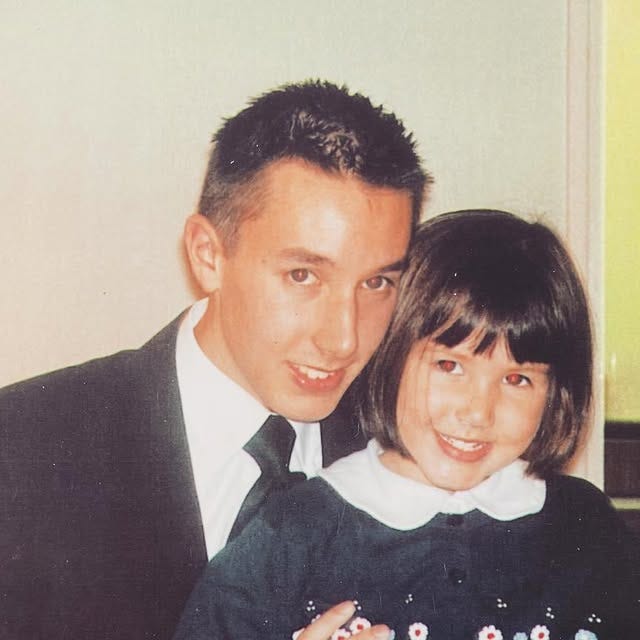
I reshared an old photo to my stories this year on 24 November. There is always something strange about being perceived in one’s grief on the internet. It feels like I am exposing the thin skin on the side of my neck to a stranger to examine, the tender parts of myself out there for all to see.
This kind of sharing has brought many connections and friendships over the last few years. Simultaneously, it brings a specific form of overwhelm. I deliberately didn’t check my phone for a few hours, then opened it to dozens of notifications and messages. All kind, loving and well intentioned of course, but just… a lot to carry.
Other people’s reactions to one’s grief require emotional labour. In the past, I’ve had to deprioritise my pain in order to comfort others, to make them feel better about feeling bad about what happened to my brother, my family and me. I dislike the passivity of that sentence, of what happened to us, but that is the fact.
I used to have some rather bitter and ugly thoughts about this annual process, of receiving and responding to messages tied to birthdays and anniversaries in particular. A slight resentment grew around the fact that it took something as banal as a visual prompt on an app to trigger the remembrance of a life.
Over the years, I’ve sat with the sharpness of these feelings, and have worked to reframe them. Even though this incomprehensible thing happened 25 years ago, life does go on. It can, and it must. My responsibility to make sure that my brother’s life is not forgotten is not a burden, but an active process of care and nurturing.
Instead of feeling frustrated that others don’t remember him, I remind myself that he is remembered in ways that may not be obvious, or ways that I may not see. I remind myself of the uncomfortability of grief, the fact that people don’t know how to talk about it, how they need a day or a post as the anchor for a conversation that otherwise might drift away as a mere passing thought.
Buried in among the messages this year was one from a name I didn’t recognise and an account I didn’t follow. I opened it with trepidation. It was from one of Jonathan’s friends from college, who had come across me coincidentally some time prior when looking for other resources about sibling bereavement. My sharing of our photo on his birthday prompted them to message me. “He was an amazing young man,” they wrote. “He had a good soul and wasn’t a follower of the crowd.”
—
To return to where I started, in bed on a December evening. I am not suggesting here that my non-attendance at a party is akin to a life being forgotten. Rather, I am reassuring myself that I need not be so preoccupied with this concern. The messages above show that the imprint that we leave on others remains, even decades after we are gone.
In an essay by Anthony Bourdain published on Fathers’ Day in 2012, Bourdain writes of what his father’s life and death impressed upon him:
He taught me early that the value of a dish is the pleasure it brings you; where you are sitting when you eat it — and who you are eating it with — are what really matter. Perhaps the most important life lesson he passed on was: Don’t be a snob. It’s something I will always at least aspire to — something that has allowed me to travel this world and eat all it has to offer without fear or prejudice. To experience joy, my father taught me, one has to leave oneself open to it.
I don’t have any similar life lessons that Jonathan taught me directly — apart from how to crush one’s opponent in Tekken (there is only so much a five year old can absorb, and video game technique is a key skill). But through the recollections I have heard from others about his life, the fragments I have gathered myself, and the experience of his sudden death, there is much I have learned.
Leaving one’s self open to joy is one of these things. Laughter and humour is not self-indulgent and inappropriate, but vital to survival. Remembering that time is precious, as is fearlessly embracing what this life has to offer — even if that means spending an evening countering what you feel socially obliged to do and instead relishing being in bed. Finding solace in the fact that truly forgetting someone is impossible.
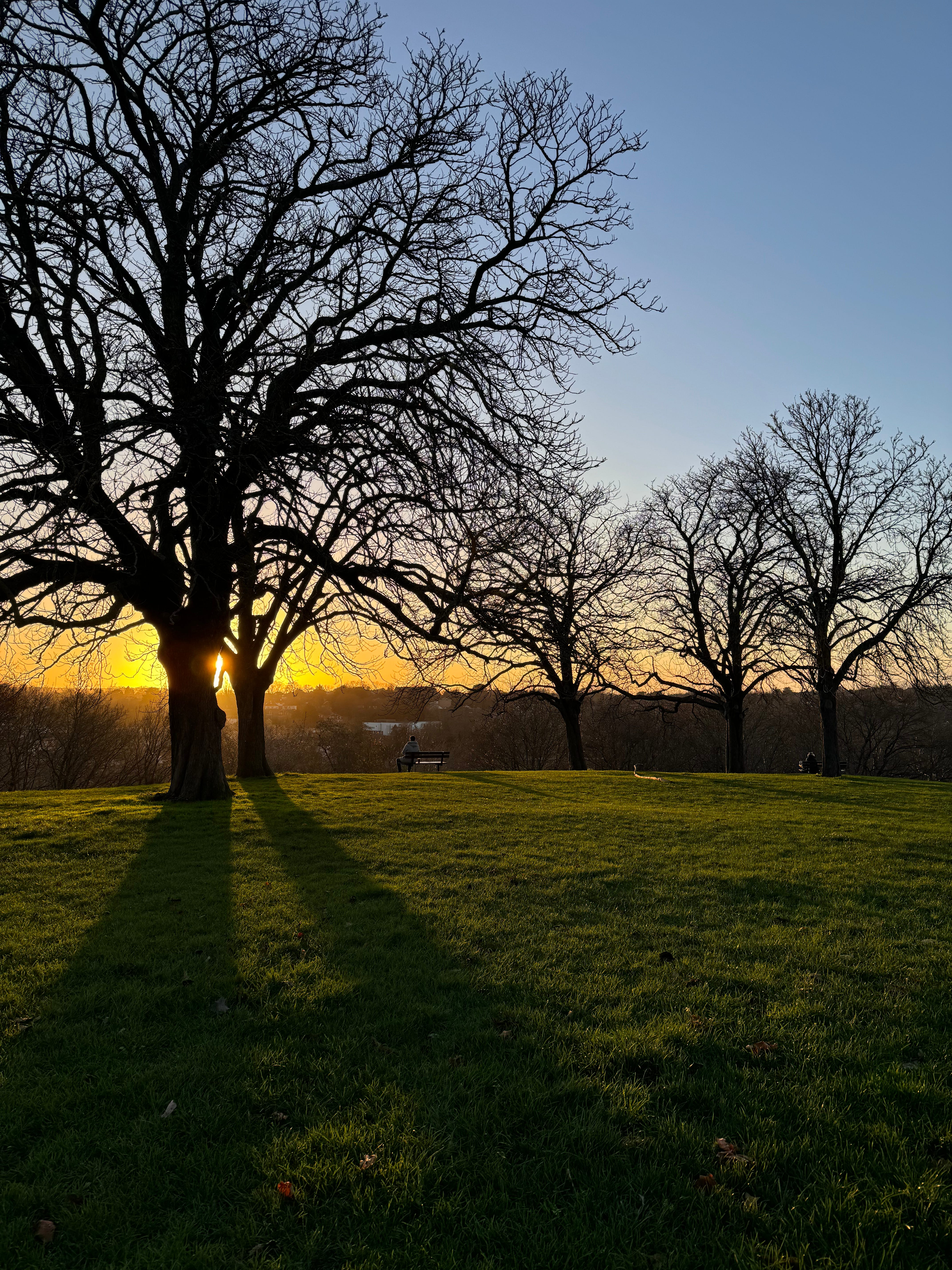
I overlook my favourite sunset spot on the weekend of winter solstice, the sun shining through the spindly branches of the trees. They remind me of the bronchioles within the lungs in school science diagrams, each fine line delivering air into the body. I breathe in deeply, exhale to the soundtrack of birdsong across the dusky sky. I’m still here. So is he.
So beautifully written Suyin, evocative and unbelievably relatable 💕
Beautiful writing and a beautiful and vital memory